Somewhere between festive dhols echoing through narrow gullies, a WhatsApp forward carrying an old familiar melody, and the quiet hum of winter evenings settling in, India rediscovered its rhythm this year. And in 2025, brands didn’t merely follow that rhythm, they composed it.
This was the year music stopped behaving politely in the background. It stepped forward, claimed space, and demanded authorship. No lazy loops. No copy-paste stock beats. Instead, brands began treating sound as identity, something to be crafted, owned, and protected. Music became memory, emotion, and intent, all at once.
For years, visual storytelling dominated brand communication. Faster edits, brighter colors, shorter attention spans. But as screens became more crowded and content more disposable, something quietly shifted. Brands realized that while visuals vanish at the speed of a scroll, sound lingers. A melody survives the moment. A hook outlives a headline. And a well-chosen piece of music can do what no tagline ever can, make people feel something long after the campaign ends.
What made 2025 particularly striking was not excess, but confidence. The most effective campaigns didn’t shout louder or try harder. They listened better. They understood that in a world overwhelmed by noise, resonance matters more than volume.
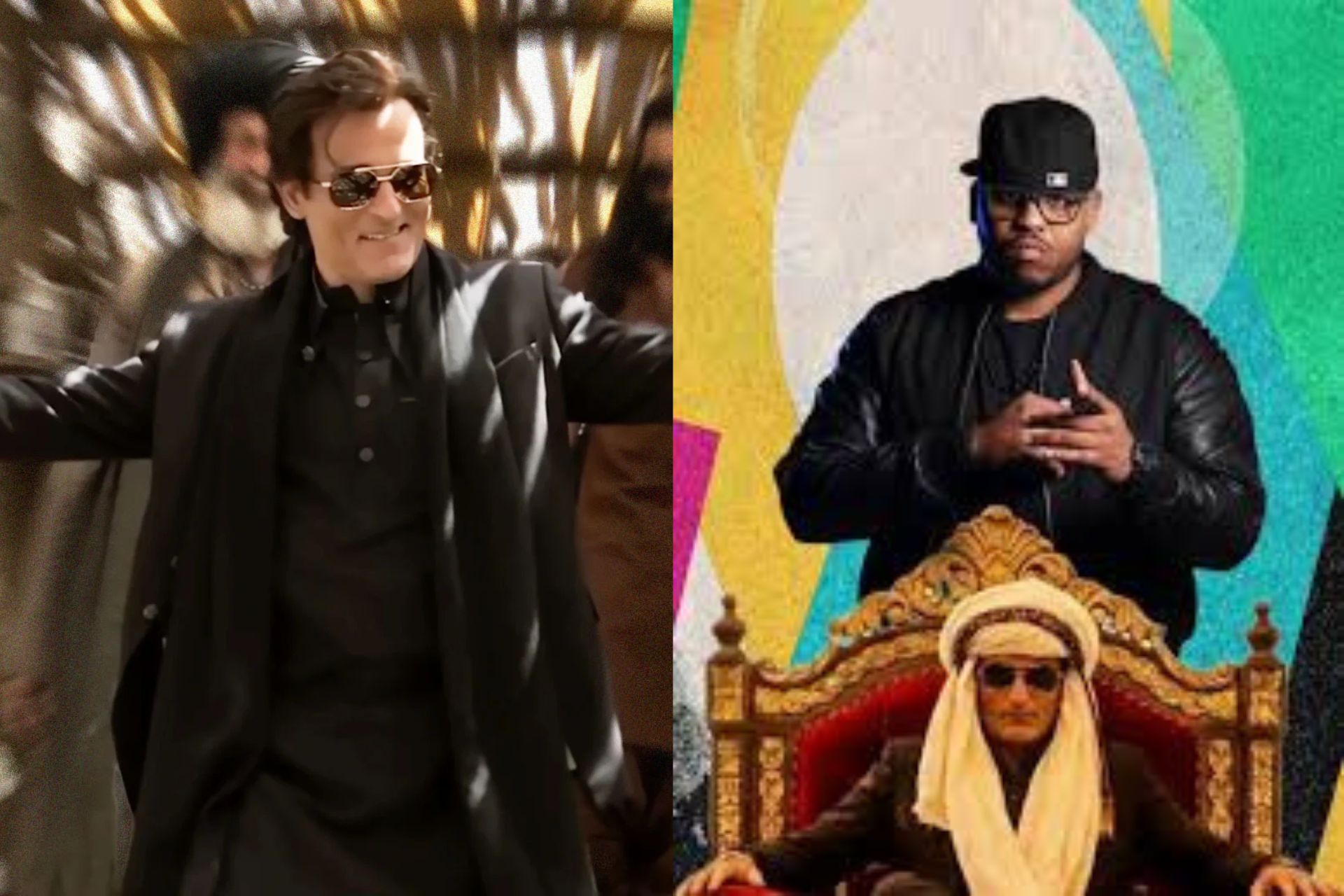
Take JBL India, for instance. In a festive season overflowing with color and spectacle, JBL resisted the temptation to dramatize celebration visually. Instead, it turned inward, toward sensation. Its Sound of Celebrations campaign didn’t show Diwali or Durga Puja as events; it rendered them as experiences. The pulse of dhaak drums, the cyclical chaos of traffic, the charged pause before a diya flickers to life, everyday soundscapes were stitched together into an original composition that felt both deeply familiar and quietly futuristic.
What JBL achieved was subtle but powerful. It reminded audiences that celebration doesn’t begin with fireworks or décor; it begins with vibration. Sound, here, wasn’t an accessory to storytelling. It was the story. In doing so, JBL reaffirmed its core belief, that sound is not just heard, it’s felt, while also anchoring itself firmly within India’s cultural fabric.
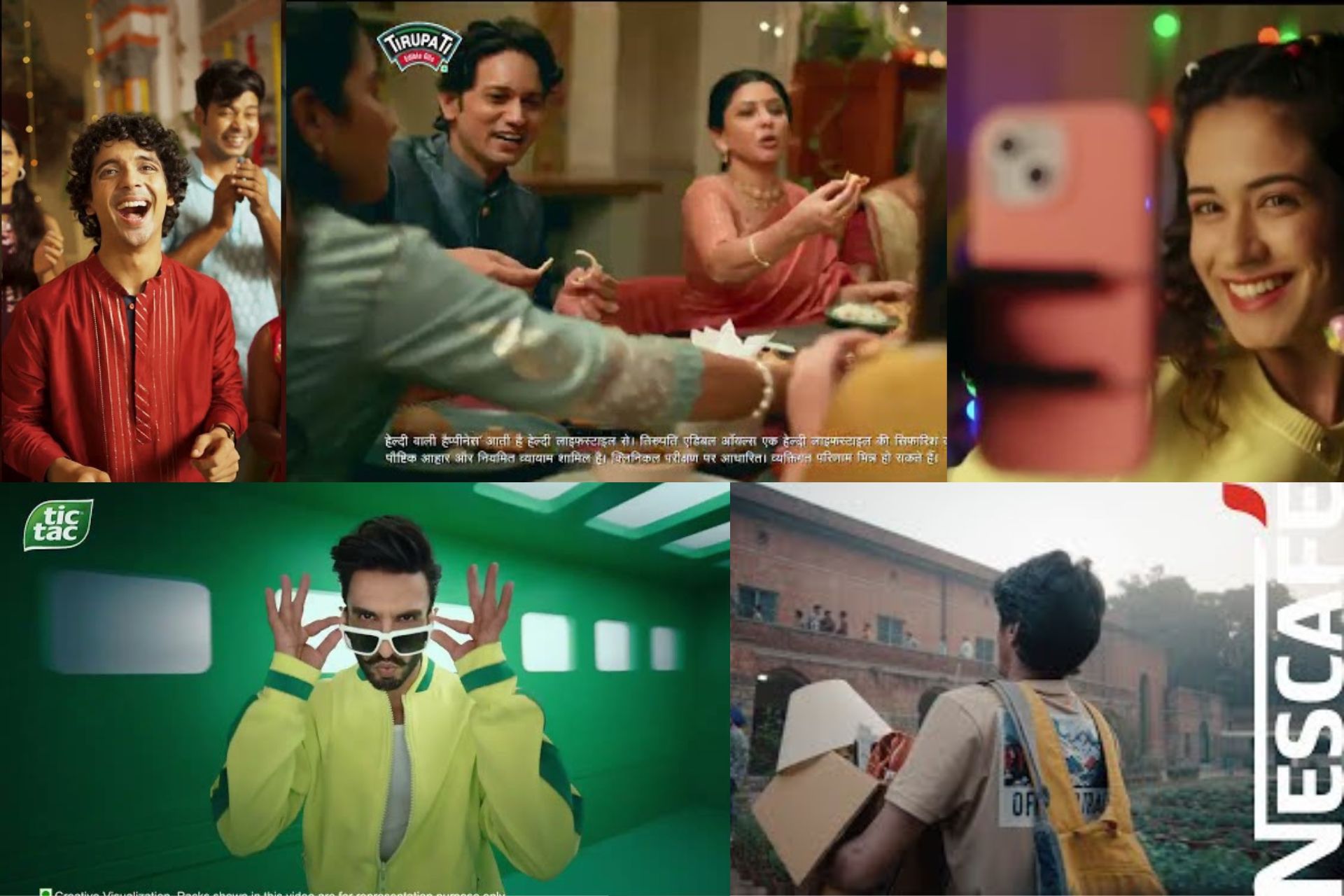
If JBL demonstrated the emotional potential of original sound, Tirupati Edible Oils showed how nostalgia, when handled with restraint, can feel progressive rather than indulgent. Nostalgia is a dangerous luxury. In the wrong hands, it becomes gimmicky, exploitative, or hollow. Tirupati approached it with reverence.
By reimagining Shankar Mahadevan’s iconic Breathless — with Siddharth Mahadevan carrying the legacy forward, the brand didn’t attempt to replicate the past. It acknowledged it, then allowed it to evolve. The cadence remained recognizable, but the emotion felt renewed. This wasn’t memory mining; it was memory rebuilding.
What stood out was the confidence to let the song breathe again, without chasing virality or leaning excessively on recall. In an era obsessed with “trending,” Tirupati chose timelessness, and did so responsibly, with proper rights clearance and a clear respect for musical lineage. It was a quiet signal of how far India’s branding ecosystem has come: music is no longer borrowed casually; it’s stewarded carefully.
A different kind of ambition emerged in Surya Roshni’s sonic journey. Many brands treat music like wallpaper, decorative, forgettable, interchangeable. Surya Roshni treated it like architecture. With India Bole Surya Ko Ya, the brand didn’t just create a jingle; it constructed an anthem.
Anchored by Kailash Kher’s unmistakable voice, the track carried weight and gravitas. It didn’t rush for attention. It rose steadily, embodying the idea of illumination, not just literal light, but metaphorical clarity and progress. The song felt less like a campaign and more like a statement of intent. It demonstrated what happens when a brand chooses not to borrow sound, but to own it, fully, confidently, and without apology.
Where Surya leaned into depth, Tic Tac embraced immediacy. Vibe Hai arrived with the swagger of a generation that doesn’t ask for permission. Loud, playful, and unapologetically restless, the track captured Gen Z’s irreverence and self-assurance in under a minute. Ranveer Singh didn’t merely appear in the campaign; he embodied its energy.
What followed was telling. Vibe Hai escaped the confines of advertising almost instantly. It showed up in reels, memes, party playlists, and everyday slang. It became shorthand for a mood. When a campaign line crosses over into culture, it stops being marketing. It becomes language. Tic Tac didn’t just sell freshness; it sold an attitude and music was the vehicle that carried it.
Nescafé’s evolution this year felt quieter, but no less impactful. For decades, the brand has been synonymous with discipline, students studying late, writers staring at blank pages, dreamers pushing through fatigue. In 2025, Nescafé retuned its sonic identity with Bana Apni Duniya.
This wasn’t a jingle designed to motivate. It was a manifesto. It spoke to solitude, ambition, and the quiet courage it takes to build something before anyone else believes in it. The track didn’t romanticize hustle; it validated inner resolve. In doing so, Nescafé transformed coffee from fuel into companion, something that stands beside you while you shape your own world.
Across categories and audiences, a pattern emerged. The brands that stood out this year weren’t chasing formats or algorithms. They were making early, deliberate decisions about sound. Music wasn’t added at the end of a campaign; it was foundational. These brands understood that sound doesn’t support storytelling, it is storytelling.
This shift has significant implications for brand leaders and marketers. Music is no longer a tactical choice made for recall or rhythm. It’s a strategic lever that shapes perception, longevity, and cultural relevance. In a fragmented media landscape, where attention is fleeting and visuals blur together, sound offers continuity. It’s the one element that can travel across formats, platforms, and moments, from a TV screen to a phone speaker to memory.
What also became evident this year is a growing sophistication around musical ownership and ethics. Brands are increasingly aware that cultural capital comes with responsibility. Proper licensing, respect for artists, and thoughtful curation are no longer optional, they’re expected. Audiences can sense when music is treated as a shortcut versus when it’s treated as craft.
As 2025 draws to a close, one thing feels undeniable: the future of branding doesn’t just look good. It sounds intentional. It sounds personal. It sounds like culture.
Long after campaigns wrap and screens dim, what remains is a hum you can’t shake, a line that resurfaces unannounced, a feeling that refuses to fade. That is the true luxury brands are rediscovering, not visibility, but resonance.
And in a world where everything moves fast, resonance is what lasts.