
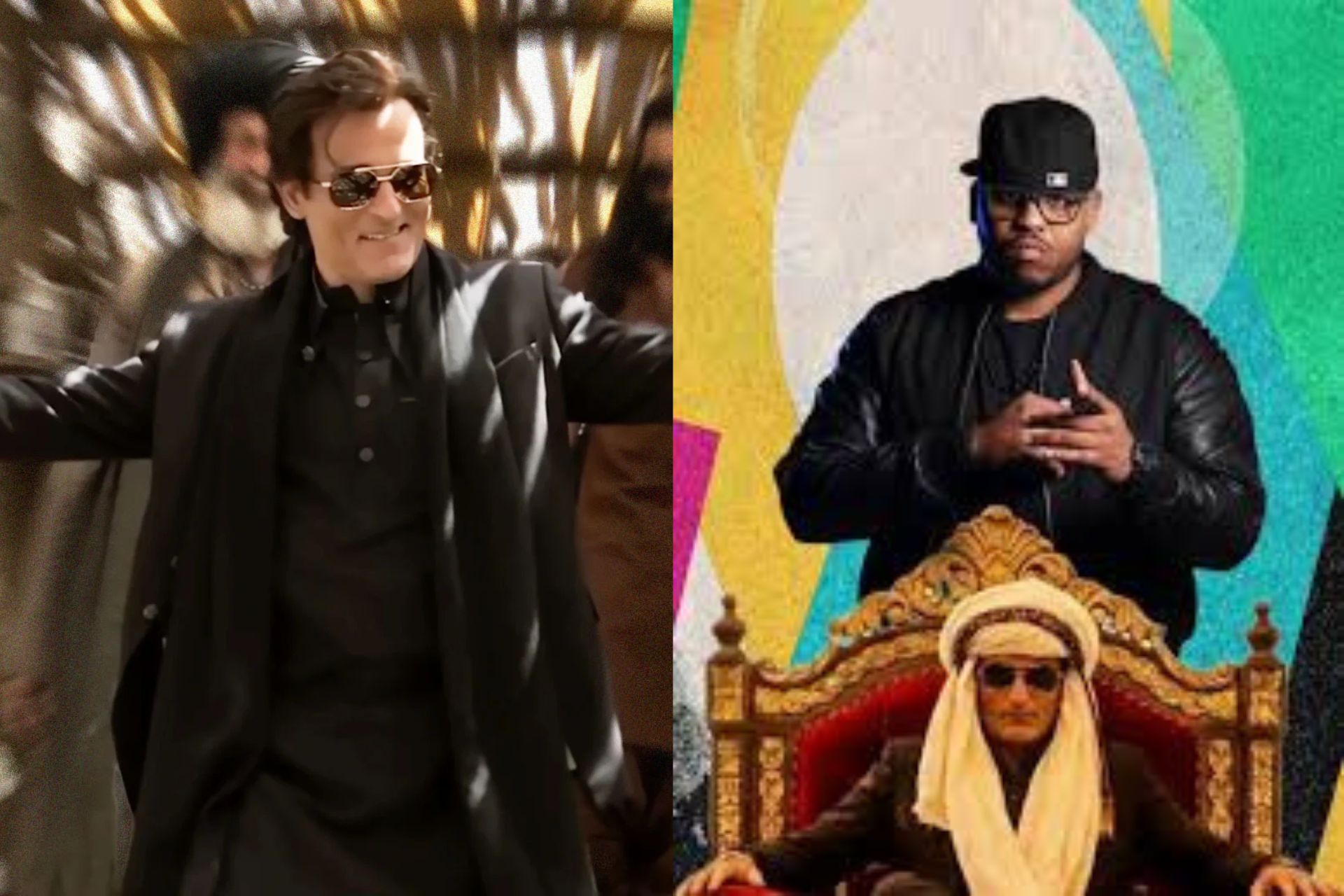
Every once in a while, a song slips into a film so seamlessly that it feels less like a placement and more like a discovery. The sync of FA9LA by Flipperachi in the Indian feature film Dhurandar is one such moment — understated, emotionally precise, and culturally resonant in a way that signals a larger shift underway in India’s music and content ecosystem.

Flipperachi is a Bahranian rap artist whose sound travels easily across borders. His work blends restraint, atmosphere, and emotional depth — the kind of music that doesn’t demand attention, but earns it. FA9LA is built around distance and longing, with a cinematic sensibility that leaves room for interpretation rather than instruction. It’s exactly the kind of track that rewards trust — from both filmmakers and audiences.
In Dhurandar, FA9LA isn’t deployed for effect. It’s used with intention. The song underscores moments of internal conflict and emotional separation, allowing silence and sound to coexist. Instead of amplifying drama, it sharpens it. The result is a scene that feels modern, global, and emotionally grounded — a notable departure from the more overt musical cues traditionally associated with Indian cinema.
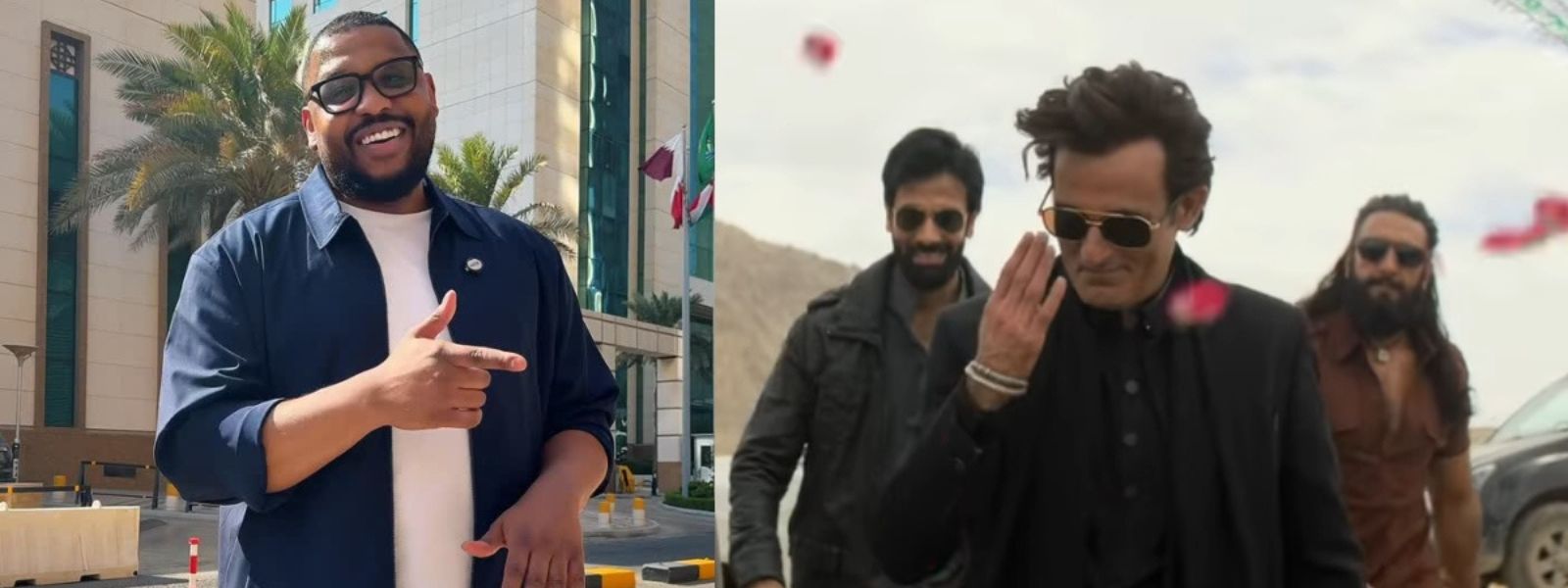
What makes this sync particularly interesting is not just the song choice, but what it represents. Indian filmmakers are increasingly looking beyond familiar domestic catalogues and legacy approaches to music supervision. They’re sourcing sound the way global storytellers do: based on emotional alignment, tone, and narrative fit. FA9LA’s inclusion reflects an industry that is confident enough to let the story lead — and let the music follow.
This evolution has been quietly gathering momentum. As Indian films and series find global audiences through theatrical releases and OTT platforms, their soundtracks are becoming a critical part of that export strategy. International music, when placed thoughtfully, makes Indian stories more legible to global viewers without diluting their cultural specificity. FA9LA doesn’t feel foreign in Dhurandar — it feels inevitable.
At Hoopr, this moment feels familiar. As one of the platforms shaping the modern music sync landscape in India, we’ve seen a clear shift in how decision-makers approach music. The question is no longer where a song comes from, but what it evokes. Emotional resonance, narrative integrity, and cultural relevance now outweigh geography.
Hoopr’s vantage point — sitting at the intersection of labels, filmmakers, brands, and creators — has allowed us to witness India’s sync ecosystem come into its own. Better rights clarity, faster licensing pathways, and a growing understanding of music’s strategic role have opened the door for more ambitious, globally fluent sync decisions. FA9LA is a product of that maturity.
For OTT platforms, this shift is especially significant. Music choices increasingly signal taste, confidence, and creative ambition. International syncs help content travel, elevate perception, and create a more premium viewing experience — particularly as competition for attention intensifies. Music is no longer background; it’s brand.
For brands watching this space, the implications are just as compelling. Film and OTT soundtracks shape culture upstream, long before trends spill into social feeds. Aligning with music that already carries narrative and emotional weight allows brands to participate in culture rather than chase it.
For international artists and rights-holders, India is no longer just a volume-driven market. It’s becoming a considered, high-intent sync destination — one where thoughtful placements matter, and where music is treated as storytelling infrastructure rather than filler.
FA9LA’s moment in Dhurandar is not an anomaly. It’s a marker of where Indian music sync is headed — quieter, more confident, and globally connected. And platforms like Hoopr are helping build the guardrails that make these moments possible.Indian cinema is no longer borrowing from the global music conversation.
It’s actively contributing to it — one perfectly placed song at a time.